The Shows That Never Were: How Fan Archivists Are Saving TV's Lost Pilots
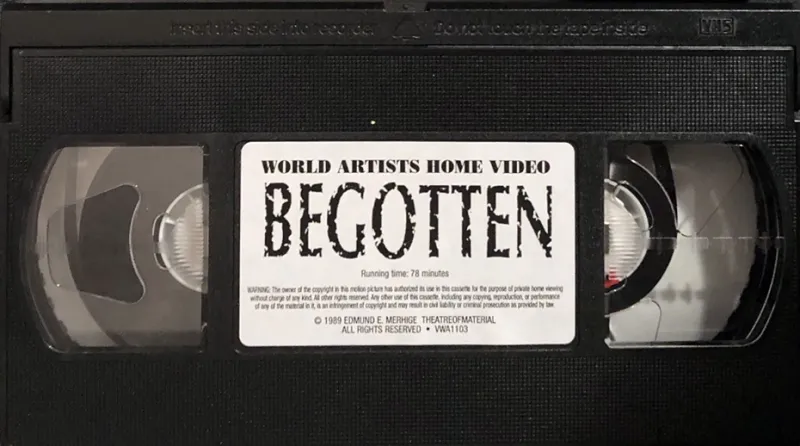
Photo: Label printed by World Artists Home Video, the distributor of the VHS., Public domain, via Wikimedia Commons
Somewhere in a storage unit outside Cleveland, there's a VHS tape with a handwritten label that reads 'PILOT — DO NOT DUPLICATE.' It's a sitcom that never made it to air, shot in 1997, shelved after a regime change at the network. For 29 years, it existed only as a rumor on message boards. This year, a fan archivist digitized it, uploaded the metadata, and shared a ten-minute clip with a private research group. That's the strange, quiet work happening across the country right now — and it raises questions the TV industry has never really answered.
Why unaired pilots fall through the cracks
Networks commission dozens of pilots every season. Most never get picked up. Some are shot and test-screened; others die at the script stage. The ones that make it to tape often end up in a corporate vault, forgotten during mergers, or stored on formats that nobody has a working deck for anymore.
Official archives like the Paley Center and university special collections do important work, but their mandates are narrow. They prioritize finished, aired programming — the stuff with clear rights and a commercial footprint. An unaired pilot is a legal headache wrapped in a cultural curiosity. Music clearances may have expired. Talent contracts might restrict exhibition. Production companies dissolve. Nobody wants to be the lawyer who signs off on streaming a failed 1994 drama that nobody owns cleanly.
So the material sits. And sometimes it disappears entirely — wiped, discarded, or buried in a facility that floods.
The fan archivists filling the gap
The people rescuing this stuff are not institutions. They're hobbyists with capture cards, backup drives, and a stubborn belief that cultural history includes the stuff that didn't work. Many came up in the VHS trading scene of the 1980s and 1990s, mailing tapes to pen pals. Now they digitize at home, using time-base correctors and lossless codecs, and share metadata through private forums and invite-only communities.
The Lost Media Wiki and archive.org have become public-facing hubs for some of this work, but the full-episode stuff often lives in quieter corners. That's not an accident. Archivists know that a public upload of a copyrighted pilot can trigger a takedown faster than you can say 'fair use.' So they operate in tiers: public metadata, public clips, private research access.
The legal gray zone
Here's the uncomfortable truth: an unaired pilot is still copyrighted. The fact that it never aired doesn't make it public domain. Sharing a full episode publicly can be infringement, even if the rights holder has shown zero interest in the material for decades. Fair use arguments exist — preservation, commentary, scholarship — but they're murky and expensive to test in court.
That's why you see archivists making judgment calls. Some publish clips with commentary. Some share full episodes only with researchers who ask nicely. Some refuse to share at all, treating their collection as a personal museum. The DMCA looms over all of it.
There's an ethical layer too. A pilot is often someone's early work. The creator might not want their failed 2003 drama circulating. Contracts may promise confidentiality. Music rights are a mess. Good archivists respect takedown requests, especially from the people who made the thing.
Why official archives stay away
Cost is a big factor. Proper preservation is expensive: climate-controlled storage, format migration every few years, rights clearance, legal review. An unaired pilot has no obvious commercial upside. Streaming platforms want catalogs, not one-off curiosities.
There's also institutional caution. A museum doesn't want to become the test case for a copyright lawsuit over a show nobody remembers. So the work falls to fans, who have enthusiasm but limited resources and even less legal cover.
How US fans can help responsibly
If you have a tape or a file, you can contribute without becoming a pirate. Start with documentation. Write down the title, date, network, production company, source format, and how you got it. Metadata is preservation. A file without provenance is just a mystery.
Capture at the highest quality you can afford, and avoid re-encoding. Store copies in at least three places. Share metadata and short clips publicly; be cautious with full episodes. Don't monetize, don't paywall, and don't claim ownership. If a creator or rights holder asks you to take something down, do it. And when possible, ask permission first — some production companies are surprisingly receptive to a polite email from a preservation-minded fan.
Use archive.org for material that's public domain or clearly permitted. Respect terms of service. Learn the norms of the communities you join before you upload anything.
The bigger picture
Unaired pilots are a record of what television almost was. They show how shows evolved, what networks rejected, and how creative decisions get made under pressure. That's cultural history, even when the show is bad.
The vanishing pilot problem won't be solved by fans alone. But the archives are keeping the door cracked open. If you've got a tape in a closet, label it, digitize it, and think before you upload. The future of TV history might depend on it.